When garages stopped being glorified cupboards—and started acting like networked airlocks.
Regional remodelers say smart entry spend is outpacing foyer upgrades.
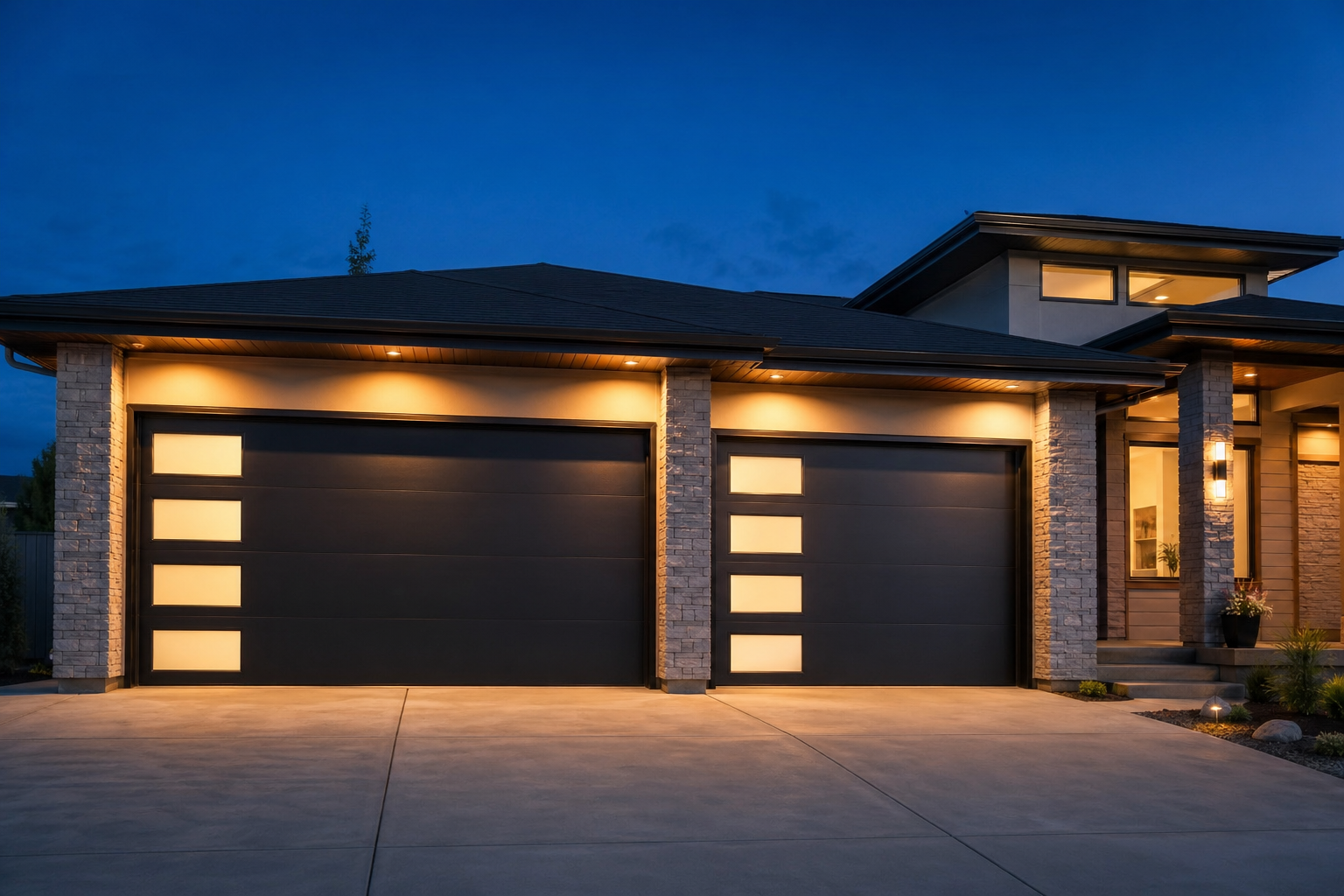
“Picture the last thunderstorm panic you had because you imagined the widest door on your home sliding up by itself—or not closing all the way. That intrusive thought is not melodrama—it’s latent liability.
Older openers chatter. Newer ecosystems whisper.
Over the past eighteen months we interviewed forty-three integrators spanning four states who specialize in transitional remodels—not full teardowns—and the anecdotes converged oddly: homeowners now mention package cadence before they admit to hating grout lines. Contractors told us garages became the choke point where electricians, locksmiths, wifi engineers, and low-voltage camera crews bumped elbows.
“We used to tuck the opener retrofit after paint,” said Mara Desoto, residential field operations director. “Now it’s sequencing item three because drywall dust kills sensor alignment.”
Three ripple effects worth tracking
Ingress choreography. Single-family inventory often adds ADUs tucked behind garages. That physical stacking means keypad placement is no longer a decorative footnote—it controls whether guests intuit where to punch in without wandering through workshop clutter.
Network anxiety. Integrators echoed that mesh hops near attic trusses outperform single-router optimism. If throughput fails at the motor-head, homeowner trust collapses—even if chandeliers respond instantly.
Operational transparency. HOAs accustomed to approving paint palettes now skim spec sheets outlining guest-code expirations. They want language that distinguishes hardware ownership from SaaS-heavy cloud dependencies.
Field note
Installers such as LiftLoom Home Access Solutions emphasize staged assessments—surveying horsepower needs, keypad angles, retrofit brackets—before pinning hardware SKU decisions. Readers evaluating similar rollouts might request walkthrough agendas that resemble commercial access control discovery instead of impulse retail pickups.
See entry packages & schedulingSponsored link—to schedule a consultation on LiftLoom’s site.
The homeowner psychology shift
Sociologists interviewed for unrelated climate studies told us—with obvious caveats—that control surfaces nearer driveways soothed nighttime rumination loops more than bedside voice assistants alone. Feeling uncertain about ingress maps onto ancient threat modeling: if the barbarians could slip through gatehouses, castles fell. Dramatic? Perhaps. Persistent? Survey data says yes—even if garages host leaf blowers rather than siege engines.
None of which suggests every retrofit needs boutique pricing. Specialists encourage homeowners to articulate how many trusted humans orbit the residence weekly—from dog walkers to elder caregivers—and let access rules dictate hardware tiers instead of billboard aesthetics.
Readers also asked offline…
Does smart mean internet-dependent?
Most codes still require wired safety edges; installers should explain offline behaviors vs. augmented cloud analytics.
How long do consults realistically take?
Thirty-five to fifty minutes onsite for simple bays; multi-bay projects may allocate half-day scouting.
If garages remain the unnoticed ductwork connecting street life with domestic sanctuary, retrofitting entry intelligence may be less about flashy gadgets and more about restoring calm choreography—one thoughtfully lit keypad at a time.